Budget-Friendly Floating Stairs Design Tutorials
Budget-friendly does not mean cheap-looking. It means choosing the design moves that matter and cutting the ones that only look expensive in a rendering.
Published: April 13, 2026
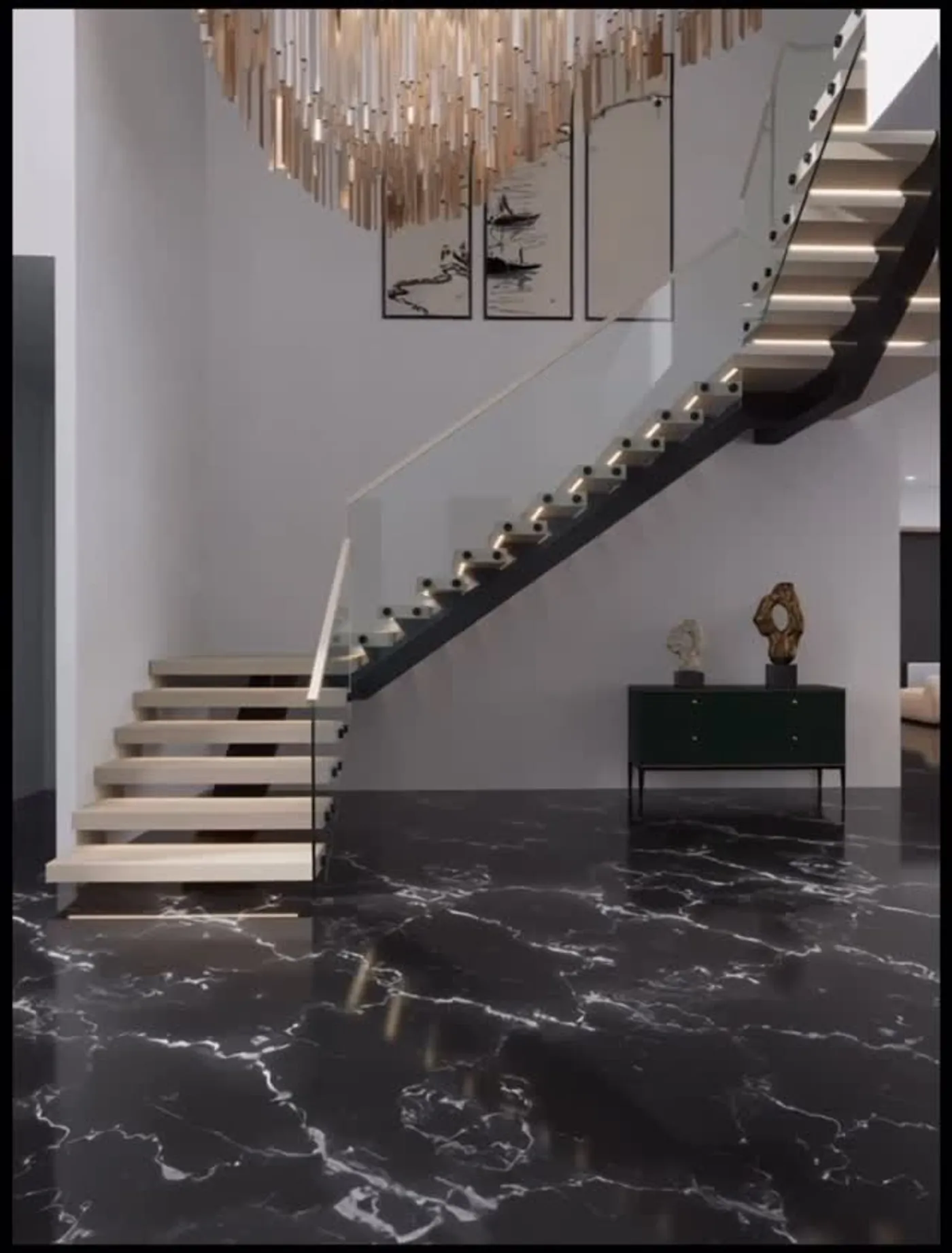
At Tampa Floating Stairs , we see a lot of homeowners ask for the floating-stair look with a realistic budget. That's a fair ask. The mistake is assuming the answer is to strip quality out of the structure. The smarter answer is to simplify the design while keeping the important parts strong.
Tutorial one: simplify the support strategy
Full hidden cantilever work is usually more expensive than a clean mono-stringer or side-support system. If the goal is a lighter visual stair, start by asking whether a simpler structural solution can get you most of the look without the same wall reinforcement demands.
This is usually the biggest budget lever. You can save more by making the structure smarter than by choosing a cheaper tread finish later.
Tutorial two: spend money where the eye lands first
People notice tread profiles, rail cleanliness, and how the stair meets the room. They do not usually notice whether the hidden steel is a dramatic one-off fabrication or a more efficient engineered section.
So if the budget is tight, protect the visible priorities. Keep the treads clean. Keep the rail system quiet. Keep the wall and landing transitions sharp. That is where the project wins or loses visually.
Tutorial three: avoid feature stacking
Budget stairs get expensive fast when the design tries to include everything at once. Thick custom treads, frameless glass, hidden lighting, curved geometry, specialty stain, and complex wall reinforcement all in one package? That is not a budget design.
Pick one premium move. Maybe glass. Maybe a better wood species. Maybe a cleaner stringer profile. Let that carry the project.
Tutorial four: keep the geometry straightforward
Straight runs are usually more efficient than curved or highly sculpted layouts. Standardized tread dimensions, cleaner landings, and simpler fabrication keep labor under control. If you want a better value stair, don't start with the most fabrication-heavy concept.
This matters more than people think. A straight stair with good proportions can look better than a complex stair that had to be compromised to survive the budget.
Tutorial five: don't force luxury materials into a mid-range build
White oak can look fantastic. So can a durable paint-grade tread in the right project. What matters is consistency with the house. Trying to bolt high-end materials onto a stair without the supporting finish quality around it can make the whole job feel mismatched.
Budget-friendly design is about balance. Not about pretending every house needs the same premium package.
The budget checklist we usually give people
- Use a simpler support system if it keeps the look clean.
- Put the money into the visible finish priorities.
- Skip feature stacking.
- Favor straight geometry over fabrication-heavy drama.
- Match the material package to the rest of the house.
That's how you get a floating stair that feels smart instead of underfunded. Budget design can still be strong design. It just has to be edited.
Trying to get the floating-stair look on a tighter budget?
We can help sort out which design moves are worth paying for and which ones only add cost without improving the finished stair.